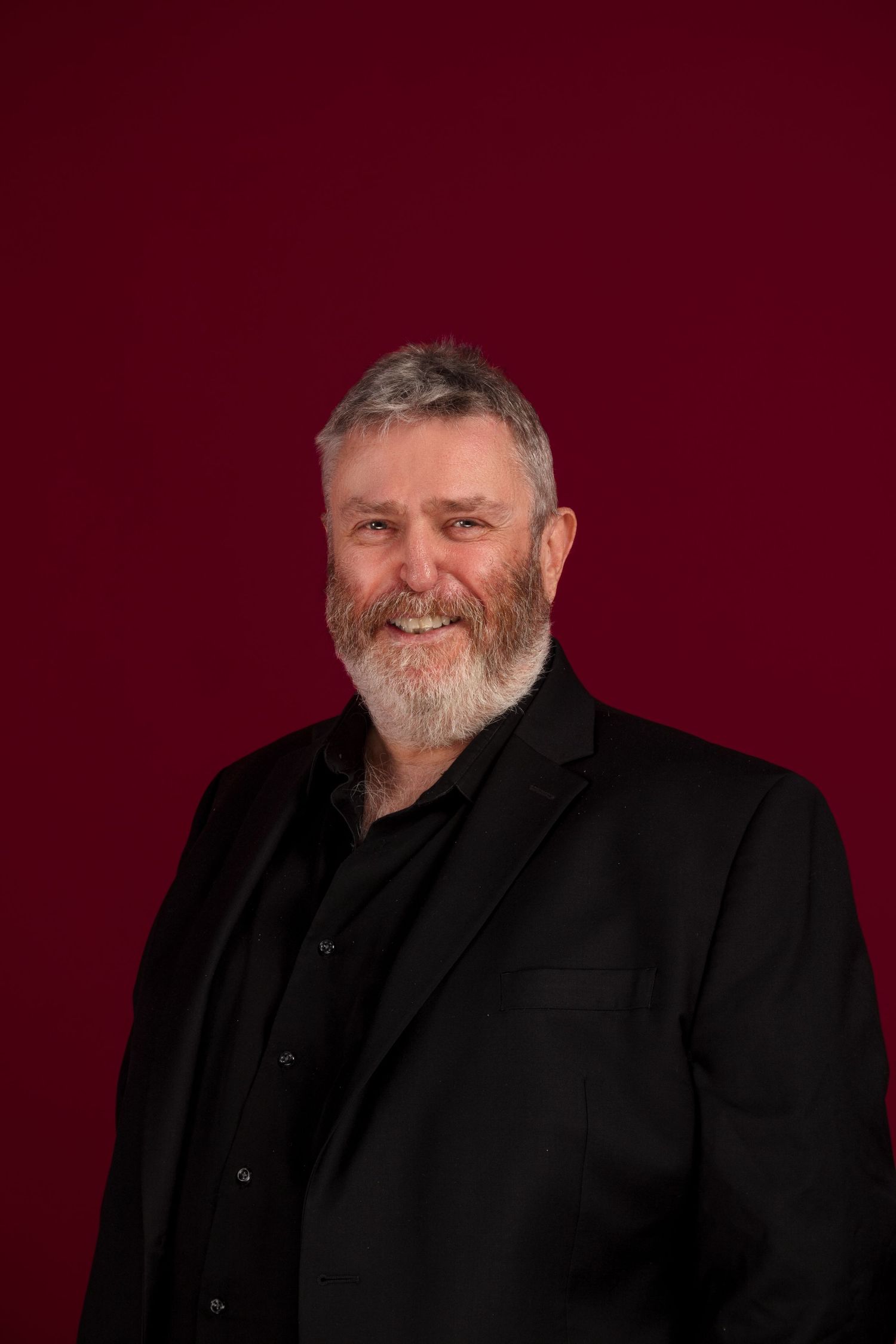

Most people get a headshot for one reason — a LinkedIn update, a job application, a new website — and then the photo sits in that one place. That's a waste. One good headshot should be working for you everywhere people meet you before they actually meet you.
Here's where yours should be.
This is the obvious one, and still the one most people get wrong. Your profile photo is the first thing anyone sees — before your headline, before your experience, before anything you've written. A clear, current headshot with good light and a plain background does more for your first impression than a rewritten summary ever will.
Use the same photo on your company page if you run one. Consistency matters: when someone sees the same face on your profile, your company page, and your posts, they remember you.
Your website
If you have an About page or a team page, your headshot belongs there. People hire people, not service lists — and a team page full of real, consistent photos tells a visitor your business is real before they read a word. If your team photos are a mix of cropped vacation shots and five-year-old selfies, that's the impression you're giving.
Your email signature
You send dozens of emails a week. A small headshot in your signature puts a face to your name for every client, supplier, and prospect you write to — including people you've never met in person. Keep it small and professional, and link it to your website or LinkedIn.
Proposals, quotes, and pitch decks
If you send proposals or quotes as PDFs, your headshot belongs on the cover or the About section. It reminds the reader there's a person behind the price. Same goes for pitch decks and speaker one-pagers: a strong photo on the first slide sets the tone before you say anything.
Your Google Business Profile
If clients find you through Google — and in Ottawa, most of them do — your Google Business Profile is often their first stop. A professional photo on your profile and in your posts makes the listing look like a real, cared-for business instead of an empty placeholder. It also helps you stand out against competitors whose profiles have no photos at all.
Conference bios and speaker pages
Speaking at an event, sitting on a panel, or judging an award? Organizers will ask for a headshot and a bio. Having a current one ready means you send the photo you want them to use, not whatever they find by Googling you.
Social profiles
Your professional accounts — X, Instagram, Facebook business page — should all carry the same photo. Not a different crop for each platform, not a logo where your face should be. One photo, everywhere, so people recognize you instantly no matter where they find you.
Directories and ID badges
Chamber of Commerce listings, industry association directories, networking groups, office ID badges — anywhere your name appears next to a photo slot, use the real one. These are small touchpoints, but they add up to a consistent professional presence.
One rule for all of it: use the same photo everywhere
The point isn't to have twelve different headshots. It's to have one strong, current photo that people see again and again until your face is familiar. That only works if the photo actually looks like you — if it doesn't anymore, it's time for a new one.
If yours is old, cropped from a group photo, or just doesn't look like you anymore, that's the fix. Book a session, get one photo you actually like, and put it everywhere above. It'll do more work for you than any single post or ad.
Individual, executive, and team headshot sessions at Studio 404 in Ottawa, or on location. Message AUDS Studio to book.